June 30, 2026
Embarking on a total home transformation is an exciting endeavor that encompasses a series of well-planned steps. This article provides a comprehensive timeline to guide homeowners through each stage, ensuring a successful revamp of their living space. The importance of a carefully laid-out plan cannot be overstated, as it serves to prevent costly missteps and align the ambition with feasible execution. Through a systematic approach, the daunting task of renovating an entire home becomes a manageable and highly rewarding journey. By the end of this article, readers will understand each critical phase of the home remodeling process, equipped with the knowledge to execute their home renovation dreams.
Initial Planning and Budgeting
Setting a Realistic Budget
Setting a realistic budget is paramount to ensuring the success of a home renovation project. According to RubyHome, the U.S. home remodeling market hit $503 billion in 2024, a figure that reflects how financially significant renovation projects have become for homeowners nationwide. That scale makes careful budgeting especially important before any work begins. Without a clear financial plan, projects can quickly exceed intended costs, leading to stress and potential compromises on quality. Start by obtaining rough estimates for each project component, which can typically be sourced online or from professionals in the industry. Consider not just the visible changes, like appliances and fixtures, but also unseen costs like permits and contingencies for unexpected problems.
Once rough estimates are in hand, it's important to allocate funds appropriately across all areas of the renovation. Allocate a portion of the budget as a contingency to cover unforeseen expenses, a common occurrence in extensive home remodeling projects. Consulting with professional contractors can provide a clearer picture of potential cost overruns. Furthermore, exploring financing options, such as home equity loans or renovation-specific loans, might offer additional monetary flexibility. A well-defined budget serves as a financial roadmap throughout the renovation process, preventing financial strain and ensuring project viability.
Researching Design and Style Preferences
The initial stages of a home renovation must include in-depth research into design and style preferences. This research phase is crucial as it directly affects the aesthetic appeal and functionality of the home post-renovation. Start by exploring various sources such as architectural magazines, online platforms like Pinterest, and model homes for inspiration. Look for styles and features that speak to individual tastes as well as those that complement the home's existing architecture. Collecting samples and building a mood board can help visualize the design direction and share ideas with contractors and designers.
Creating a Master Plan and Timeline
Creating a master plan and timeline is essential for guiding a home renovation project successfully from conception to completion. This step involves translating ideas and research into a structured plan, detailing every stage of the process. A detailed timeline helps in coordinating multiple tasks, aligning availability of contractors, and scheduling the delivery of materials and fixtures. It should include milestones for each phase from initial demolition to final touches, allowing for transparency and accountability.
A comprehensive timeline acts as a framework guiding all parties involved towards a common goal. Ensure each task has a reasonable timeframe to prevent burnout or rushed decisions that might compromise quality. Incorporate flexibility into your timeline to accommodate unexpected delays, which are commonplace in construction projects. Proper timing ensures that each phase transitions smoothly to the next, minimizing downtime and ensuring continuous project progression. This proactive scheduling approach keeps the project on track and helps avoid potential conflicts or resource shortages.
Pre-Renovation Preparations
Decluttering the Space
Before embarking on any renovation work, it's necessary to engage in thorough decluttering of the space. This step involves removing unnecessary items and possessions to create a clean, organized environment for remodeling activities. Decluttering not only creates physical space but also reduces the chaos and distraction that can add stress during the renovation. It's an opportunity to assess possessions and decide what pieces are worth retaining, potentially integrating them into the new design. Creating a temporary storage solution, such as renting a storage unit, may offer a place to keep valuable items safe.
During the decluttering phase, homeowners should categorize belongings into items to keep, discard, or donate. Evaluate each item based on its usefulness, condition, and sentimental value. Consider the size and style of possessions in relation to the new design layout; some items may not fit or complement planned changes. Prioritizing the retention of versatile and functional items aligns with the modern demand for minimalist, efficient living spaces. Decluttering sets a positive tone, projecting a sense of renewal and readiness for the home remodeling project ahead.
Finalizing Design Plans and Layouts
Once pre-renovation groundwork is complete and necessary permits obtained, it's time to finalize design plans and layouts. This entails refining initial ideas and sketches into comprehensive blueprints that dictate the execution of the project. Professionals such as interior designers or architects can assist in translating broad concepts into detailed plans that specify dimensions, materials, and placement of key components. Accurate design plans reduce the likelihood of errors during construction and help align the vision with practical implementation.
This stage of planning encourages homeowners to focus on details that enhance the living experience post-renovation. Thoughtful attention to spatial flow, lighting, and functionality ensures each room fulfills its intended purpose while fostering overall harmony throughout the home. Engaging in discussions with designers helps to clarify the impact of individual choices on the ambiance and usability of spaces. Fine-tuning these details not only achieves aesthetic desires but also contributes to creating a practical, enduring environment, tailored to complement the homeowner's needs.
The Remodeling Process
Installing Walls, Surfaces, and Major Features
Once the behind-the-scenes systems are in place, the home begins to look more complete. Drywall is installed, finished, and prepared for paint or wall treatments. Flooring may be installed in stages depending on the material, room sequence, and contractor schedule. Cabinets, built-ins, countertops, tile, stair components, trim, and doors also begin to shape the final appearance of the home. Each installation step should follow the design plans so that measurements, materials, and finishes align correctly.
Expanding Kitchens, Bathrooms, and Living Spaces
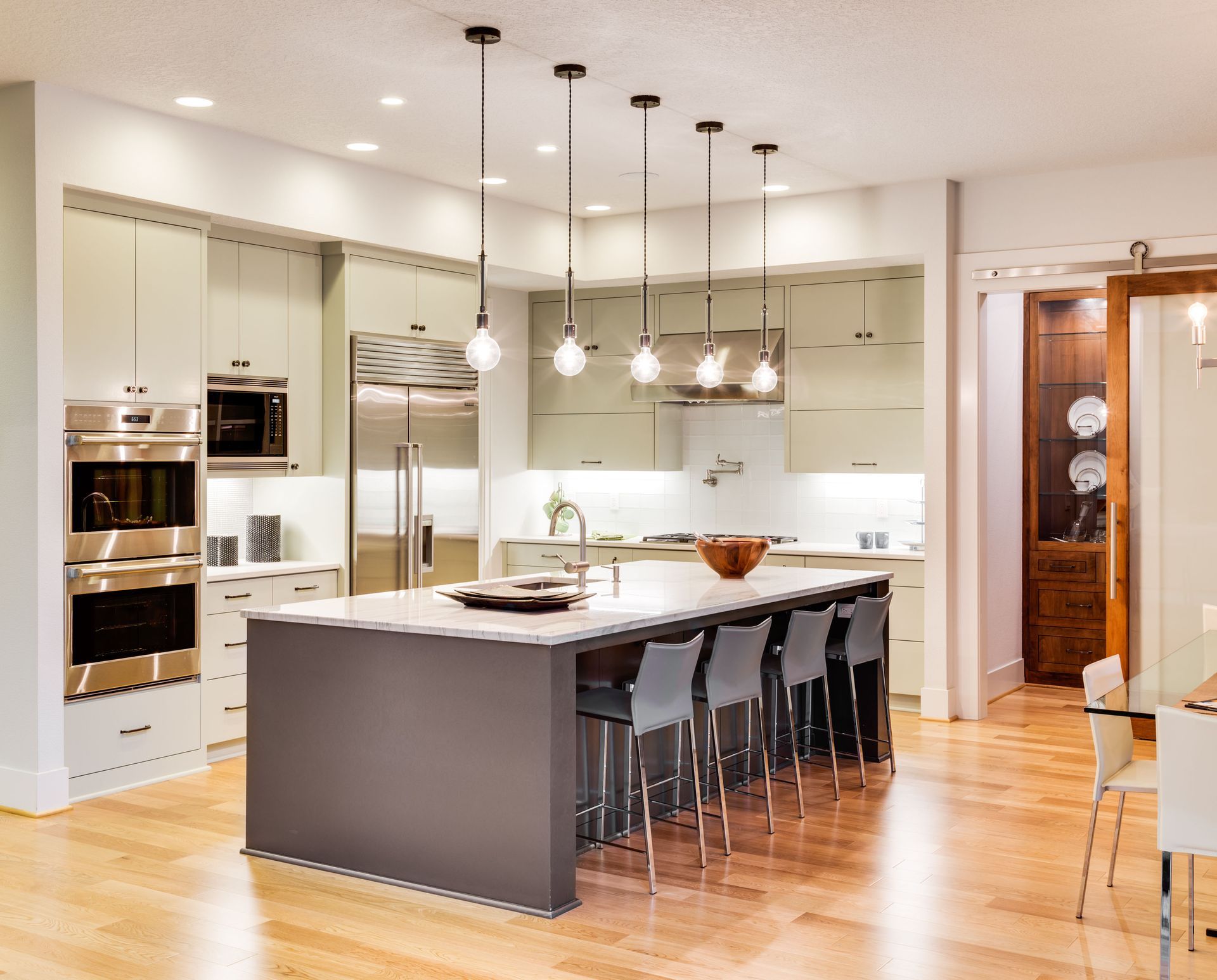
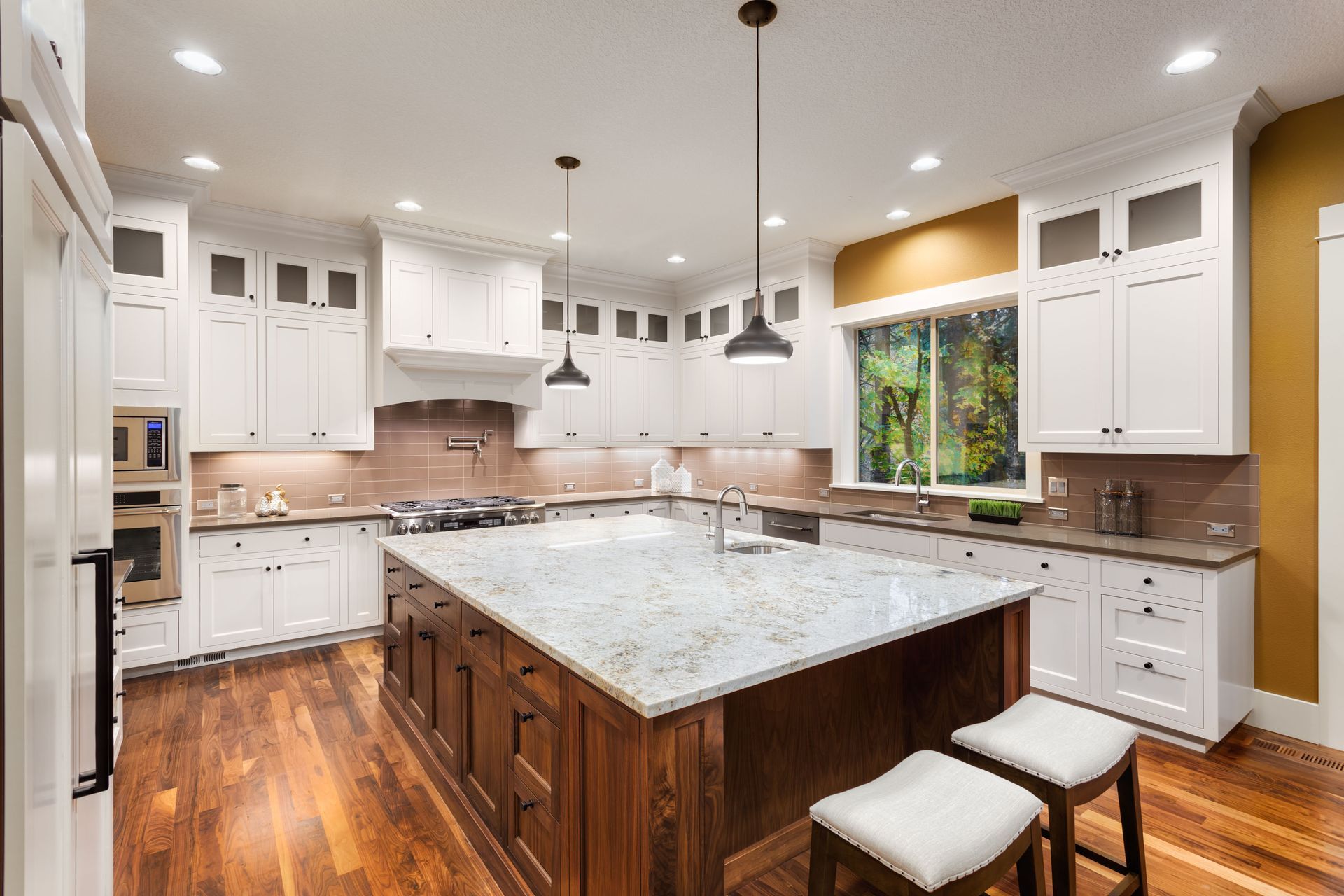
Some of the most compelling changes in a total home transformation happen when the layout expands to support the way people actually live. A kitchen addition can create space for larger prep areas, seating, storage, and better movement between cooking and gathering zones. Bathroom additions can reduce daily congestion, improve privacy, and make the home more practical for families, guests, or aging-in-place needs. Bedroom additions may also create needed flexibility, whether the goal is a larger primary suite, a guest room, a nursery, or a dedicated space for multigenerational living.
These additions require careful coordination because they often involve framing, foundation work, roofline adjustments, plumbing, electrical planning, insulation, and exterior finishing. The new space should feel connected to the existing home rather than attached as an afterthought. Matching ceiling heights, flooring transitions, window placement, and architectural details helps the addition blend naturally with the rest of the property. When handled well, this stage can dramatically change both the function and value of the home, turning a limited layout into one that feels more comfortable, spacious, and complete.
A total home transformation becomes more manageable when each stage follows a clear and realistic timeline. By approaching the project step by step, homeowners can reduce unnecessary stress and make more confident decisions throughout the home remodeling process. If you're looking for a professional home renovation, get in touch with Lucius Home Improvements!